Roses, zucchini, and zinnias can all look perfectly healthy while powdery mildew is already developing. This common fungal disease is spread by microscopic spores and is present in many gardens. So why do outbreaks occur? And what can a gardener do to best prevent them? When it comes to powdery mildew, prevention is the key.
How Powdery Mildew Develops
There are four main stages of powdery mildew infection.
- The Spores Arrive: Spores can arrive on the wind, new plant material being brought in, or already be present in the garden from previous years. These spores land on a susceptible plant.
- Germination: With a favorable host and environmental conditions, the powdery mildew spores germinate. Once they do, they penetrate the outer layer of the leaf and form specialized feeding structures called haustoria that begin to steal nutrients from the plant’s
- Growth: The infection continues to spread to neighboring plant cells and forms a network of threadlike structures called hyphae on the plant’s surface.
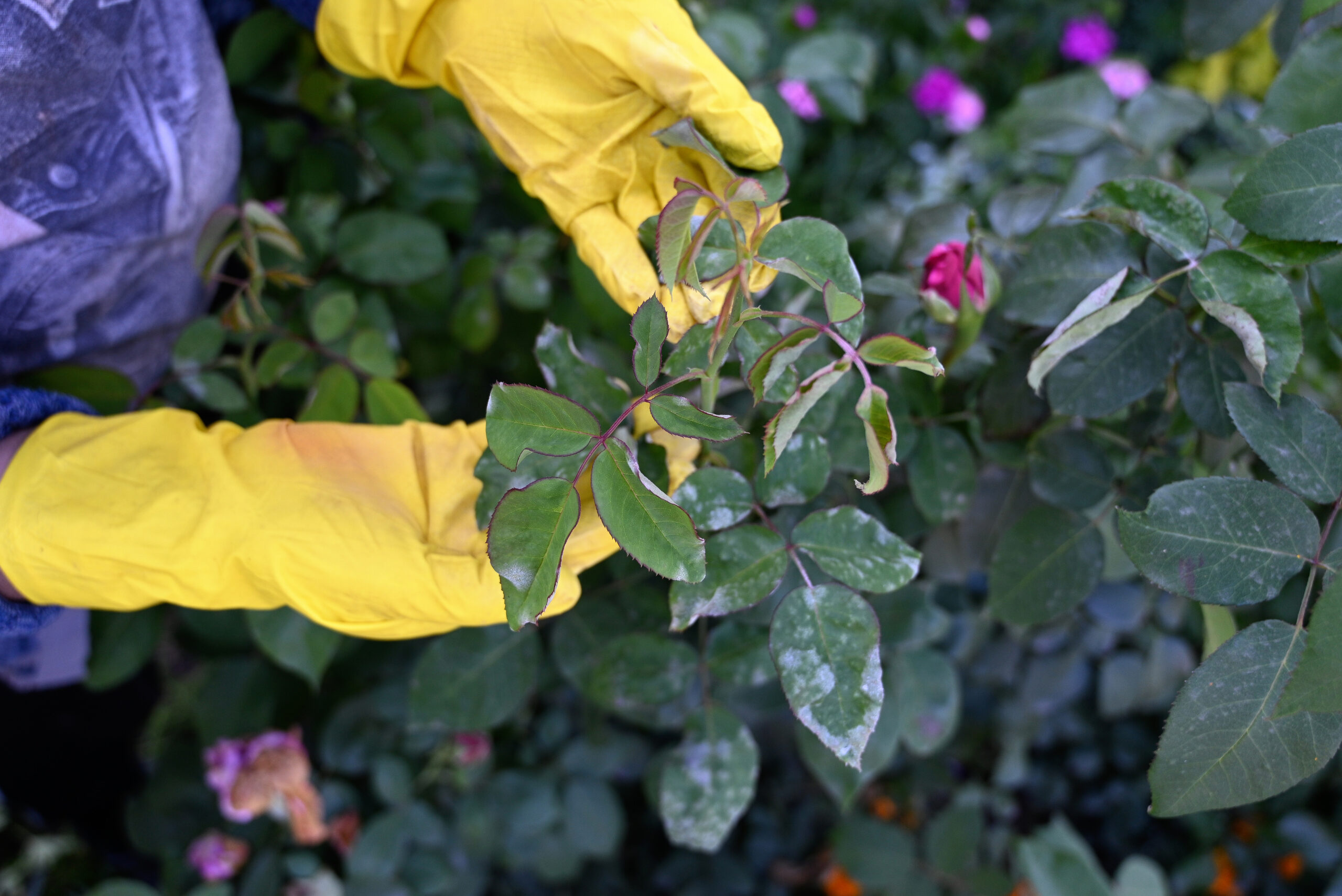
- A Visible Problem: Up until this point, the plant has shown no visible symptoms. But as the fungus grows and produces more spores, the characteristic white, chalky patches become visible to the naked eye. You may also see leaves curling, developing other discoloration, or blooms being affected.
By the time gardeners notice powdery mildew, the fungus is already established and has likely begun producing spores. This is why prevention is so important.
Preventing the Infection
There are many techniques that gardeners can use to prevent powdery mildew. All together, they form a solid wall against future infections.
Mitigate environmental factors
Powdery mildew grows best in environments with relatively high humidity, shade, and poor air circulation. Many gardens naturally have these conditions, but pruning can help. Plants like roses with dense growth habits can benefit from a pruning technique called thinning or “opening up the center of the plant”. When gardeners selectively remove crowded or crossing branches from the interior of plants, they improve airflow and reduce conditions favorable to powdery mildew.
Select Plant Varieties with Resistance
There are many popular garden plants that are highly susceptible to powdery mildew. Luckily, enterprising geneticists have spent decades breeding varieties with resistance to the fungus. Bringing plants into your garden center with inherent resistance will help your customers feel less fungal pressure.
Garden Sanitation
Many powdery mildew fungi can overwinter using tiny, protective structures called chasmothecia. Cleaning up leaves and other garden debris at the end of the year helps reduce the number of spores that would remain in your garden into the next year. Removing leaves also helps promote airflow (call back to the environmental factors section).
Bring Beneficial Bacteria into the Garden
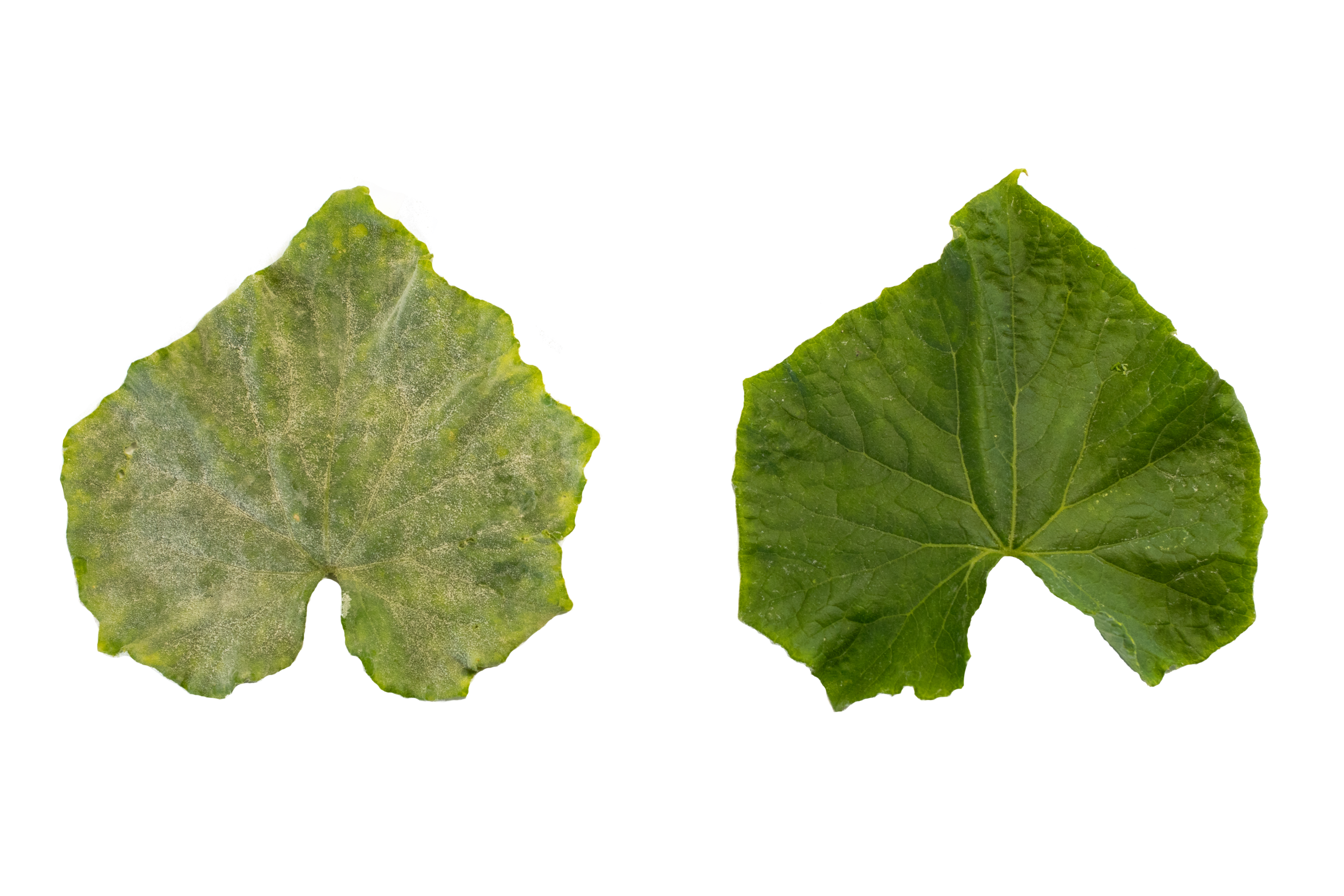
Left, Cucumber infested with powdery mildew spores and left untreated. Right, Cucumber infested with powdery mildew spores, treated with Magic Gardener Biofungicide, and then infested again with powdery mildew spores.
While powdery mildew is caused by a fungus, a tool for managing it comes from an entirely different type of microorganism: bacteria. Certain beneficial Bacillus bacteria produce compounds that interfere with fungal growth. Biological disease control products such as Magic Gardener® Biofungicide use this interference to control pathogen growth. Magic Gardener Biofungicide in particular boasts four modes of action for preventing powdery mildew.
- Antagonistic Metabolites: Bacillus amyloliquefaciens strain PTA-4838, the active ingredient in Magic Gardener Biofungicide, produces compounds that inhibit or kill powdery mildew.
- Induced Host Resistance: PTA-4838 also stimulates the plant’s defenses, which helps it respond more effectively to powdery mildew attacks.
- Nutrient and Niche Competition: PTA-4838 competes with plant pathogens for the physical space on the plant leaf. This makes it more difficult for powdery mildew to attach and establish itself.
- Parasitism: These are direct attacks by the Bacillus bacteria on the fungus causing powdery mildew.
When to Talk to Customers About Preventive Care
It’s much easier for gardeners to prevent a powdery mildew outbreak than to remove it, so early education is important. We recommend you start talking about this in early spring, especially when promoting preventive products like Magic Gardener Biofungicide.
| Time of Year | Messaging |
| February-March | Start clean. Now is the time to remove any remaining leaves, thin non-flowering shrubs, and generally focus on garden sanitation. |
| March-May | Protect new growth. Recommend preventive products like Magic Gardener Biofungicide. |
| May-August | Talk about environmental factors and monitoring disease pressure. |
| September-October | Recommend resistant varieties of lilacs, roses, and other susceptible shrubs during fall planting. |
| October-November | Remove plant debris and overwintering sources to prepare for the next season. |
The Top Thing to Remember

The most important thing to remember about preventing powdery mildew is that it starts becoming a problem long before gardeners can see it. Preventive care is the best way to control powdery mildew’s effect on the garden. For more information about preventing powdery mildew or about Magic Gardener Biofungicide, feel free to contact the Magic Gardener (Mycorrhizal Applications) team at inquiries@mycorrhizae.com or magicgardener.com.
By: Katie Gustafson, Marketing Communications Manager, Magic Gardener & Mycorrhizal Applications