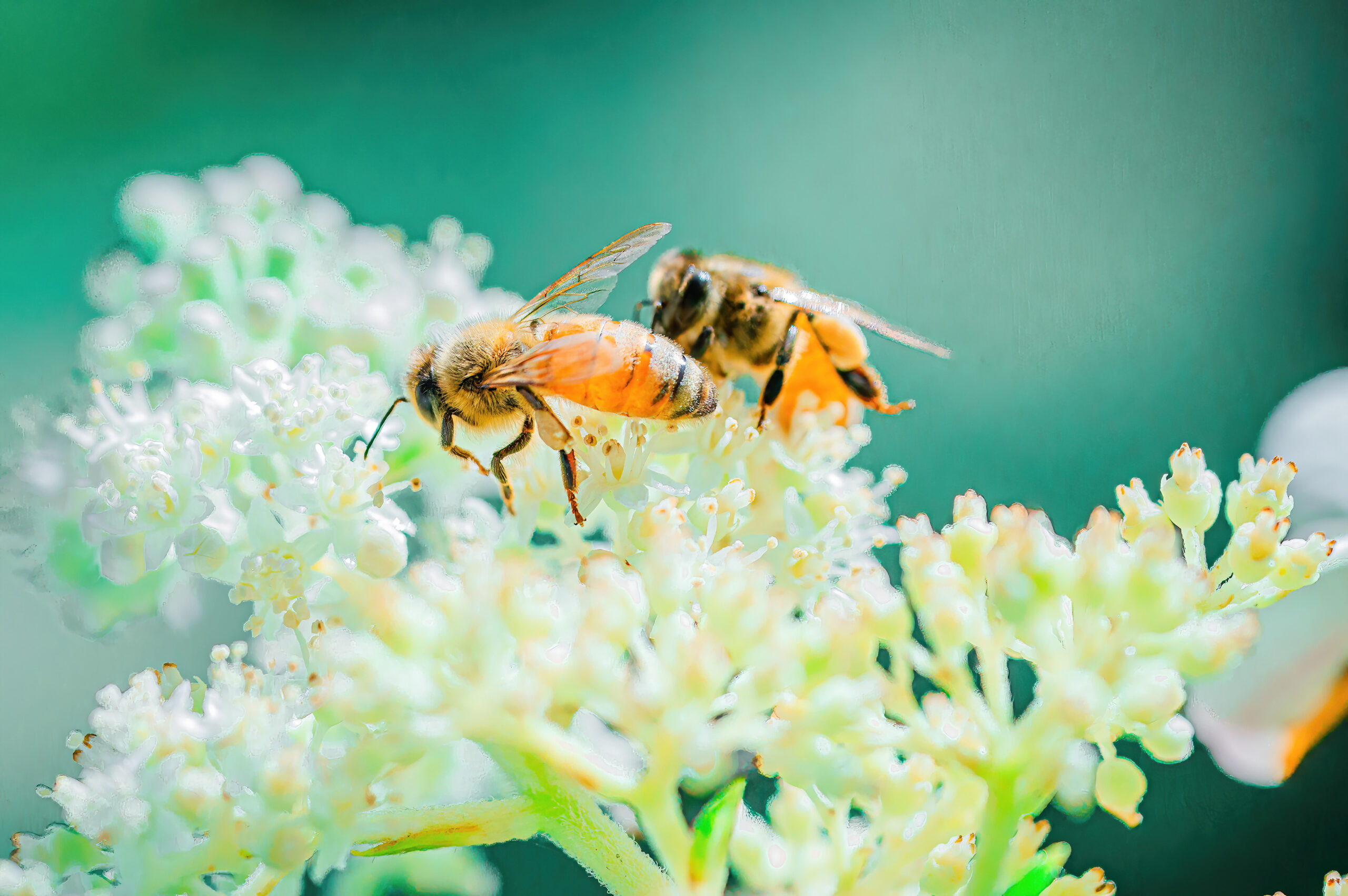
Pollinators play a critical role in agriculture and horticulture. Bees, butterflies, moths, beetles, and other beneficial insects contribute to the production of countless crops by supporting pollination, plant reproduction, and overall ecosystem health. At the same time, growers face constant pressure from insects, diseases, environmental stress, and increasing sustainability expectations.
Finding solutions that protect crop performance while supporting pollinator stewardship has become an important priority across the industry. This is where biorational products can play an important role.
As awareness around pollinator health continues to grow, many growers are looking for ways to integrate more pollinator-conscious practices into their operations without sacrificing crop protection.
What Are Biorational Products?
The biorational product category includes a broad range of sustainable technologies derived from natural sources such as microbials and botanicals. Biorational solutions require use in a targeted window of application, enhancing performance in a solutions approach.
Mycorrhizal Applications’ biorational product portfolio includes:
- Pest control and crop protection products, including botanical insecticides and biofungicides
- Plant growth regulators (PGRs)
- Mycorrhizal fungi
When used properly and according to label directions, biorational products can help growers manage pests and diseases while supporting more environmentally conscious growing practices.
Tips for Protecting Pollinators While Maintaining Crop Performance
1. Incorporate Biorational Products into your Existing Integrated Pest Management (IPM)
IPM programs focus on prevention, monitoring, and targeted intervention rather than relying solely on broad-spectrum controls. Biorational products often fit well within IPM strategies because they can provide effective management tools with different modes of action.
Using scouting data and treatment thresholds can help reduce unnecessary applications and minimize exposure to beneficial insects like pollinators.
2. Pay Attention to Application Timing
Pollinator-friendly practices require thoughtful timing. Whenever possible:
- Apply products during early morning or evening hours when pollinator activity is lower
- Avoid applications during peak bloom periods if the label recommends caution
- Follow all pollinator protection statements on the product label
Application timing is one of the most effective ways to reduce unintended exposure. As a reminder, always read and follow all product label directions.
3. Support Soil Health
Healthy soils contribute to healthier plants and more resilient production systems. Biological products such as mycorrhizal inoculants and beneficial microbes can help improve nutrient uptake, root development, and plant stress tolerance.
Stronger plants may require fewer reactive inputs over time, helping support a more balanced growing environment.
4. Choose Targeted Solutions When Possible
Broad-spectrum chemistries can impact both pests and beneficial organisms. Biorational products are often designed to target specific pests or plant health challenges while fitting into programs that prioritize beneficial insect conservation.
Selecting targeted solutions can help growers maintain effective crop protection while supporting overall ecosystem balance.
5. Maintain Pollinator Habitat Around Production Areas
Pollinator stewardship extends beyond crop inputs. Consider supporting pollinator populations by:
- Preserving flowering field borders
- Planting pollinator-friendly habitats
- Reducing unnecessary vegetation disturbance
- Providing diverse forage sources throughout the season
Healthy habitats can help sustain pollinator populations and improve biodiversity across growing environments.
Production and Stewardship Go Hand in Hand
Today’s growers are balancing productivity, profitability, and sustainability goals more than ever before. Pollinator stewardship is increasingly becoming part of that conversation, especially as retailers, consumers, and industry stakeholders place greater emphasis on sustainable production practices.
Biorational products provide growers with additional tools to support crop quality and performance while aligning with modern stewardship initiatives.
Next Steps
For more information about biorational products and how they fit into your production practices, contact your local Mycorrhizal Applications sales representative or email inquiries@mycorrhizae.com.
And if you are coming to Columbus, OH, for Cultivate’26, stop by and see us in Booth #3305.
PS It’s National Pollinator Week, June 22-28, 2026! Check out Pollinator.org for more information.